
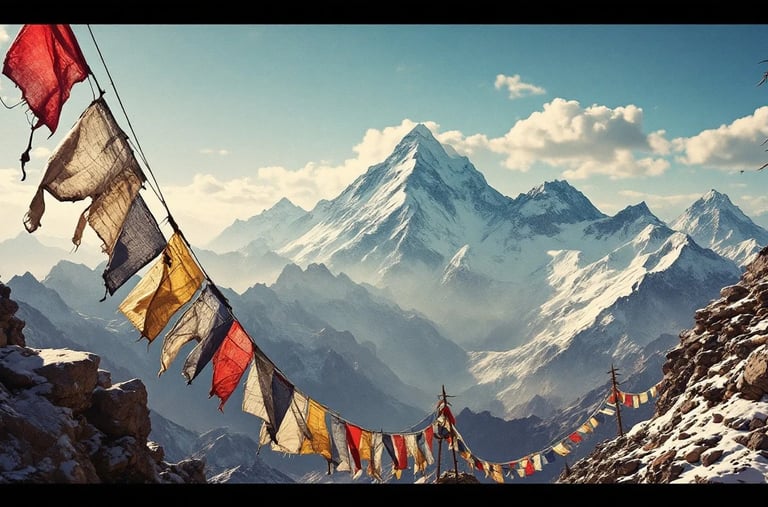
Himalayan glaciers provide essential freshwater for more than 1.6 billion people across Asia, yet they are melting at an alarming rate from climate change. Dubbed the "water towers of Asia," these ice reserves confront profound risks that affect water supplies, economies, and cultural identities.
Essential Facts: Stretching 2,400 km through India, Nepal, Bhutan, Tibet, and Pakistan, the Himalayas contain the world's largest non-polar ice reserves. They nourish key rivers such as the Ganges, Brahmaputra, and Indus. Projections show one-third disappearing by 2100 under 1.5°C warming, escalating to two-thirds at 2°C; Nepal alone has lost nearly a third of its ice over 30 years, with melting 65% faster recently.
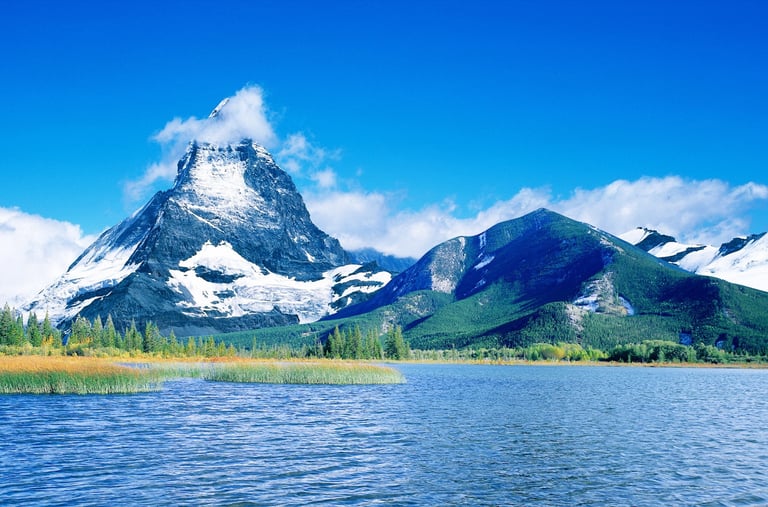
Why They Matter: Glaciers stabilize local climates via albedo, bouncing back sunlight for cooling—darkened terrain from melt absorbs heat, accelerating the cycle. They secure food production by feeding rivers for South Asia's farms. Protecting them advances climate equity, as highland residents emit little but bear heavy burdens.
Sea Level Rise: From 2000-2018, their melt added roughly 0.7 mm to global oceans. Such non-polar ice drives about one-third of recent rises, spawning risky proglacial lakes endangering valleys below.
Economic Value: Rivers from these glaciers drive hydropower across Tibet, India, Nepal, and Bhutan, fueling industry and power grids. Diminishing flows jeopardize stability and jobs for billions relying on steady water.
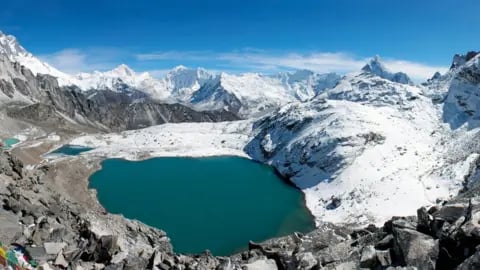
Cultural Significance: Sacred sites like Gangotri, birthplace of the Ganges, anchor Hindu and Buddhist faiths; their shrinkage undermines rituals and heritage. Indigenous groups face deepened hardships tied to these environments.
Scientific Action: Experts push drone, LiDAR, and sensor tech for monitoring, paired with Paris Agreement emission reductions. Programs like NASA's HiMAT and ICIMOD's HKH initiative share data to mitigate flood risks.

Third Pole Initiative
Divya Jyoti Valley View Koramangala 4th Block Bangalore-560047
Email: thirdpole1959@gmail.com
Phone: +91-8880720888
© 2026 Third Pole Initiative